Summer May Slow Down, but Fall Event Season Won’t Wait for Long
Summer schedules make it easy to lose focus. Team members are out, inboxes are quieter, and the pace of the business slows just enough that planning for what’s next keeps sliding to next week. Then Labor Day passes, and the fall event calendar is already in full swing, budgets are locked, and the best sponsorship slots, speaking opportunities, and hotel blocks are gone.
The fall stretch is dense this year. Dreamforce runs September 15–17 in San Francisco. Microsoft Ignite runs November 17–20, also in San Francisco. AWS re:Invent runs November 30–December 4 in Las Vegas, this year absorbing what used to be a separate security-focused event into one week. Layer in the regional partner summits, vertical conferences, and customer events most companies attend alongside the flagship shows, and fall becomes a compressed, high-stakes stretch where most of a year’s in-person relationship building happens in about 10 weeks.
The big shows get the attention, and they earn it. But if we’re honest about which events we’re most looking forward to this fall, it’s the smaller, partner-focused gatherings: Vibe 2.0 in the Salt Lake City area (September 21–23), the fall MSP Summit in Orlando (September 28–30, vendor-agnostic and built specifically for the managed services community), and Ultimate Partner LIVE in Reston (October 26–28). These are smaller rooms with a higher density of the right people, and that’s exactly the kind of setting where the conversations in this piece actually happen.
Now, in early August, is the window to lock in plans, set budgets, and design experiences that will actually be remembered once the conference badges come off.
The Real Value Isn’t Always on the Show Floor
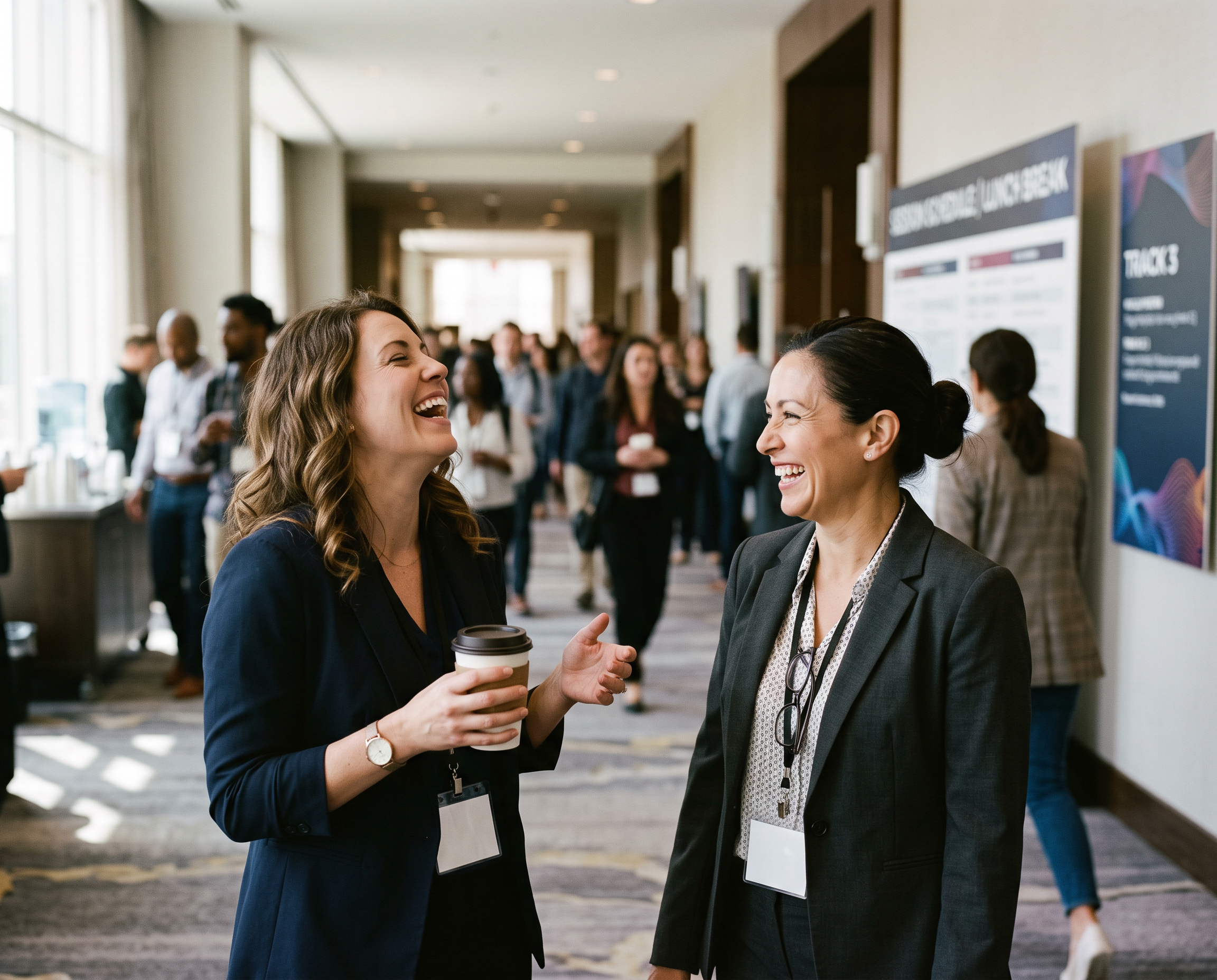
Expo booths and keynote stages matter. They’re where products get seen and announcements land. But ask anyone who has attended a handful of these events which moments they actually remember, and the answer is rarely the booth. It’s the conversation that happened in line for coffee. The unplanned seat next to a familiar face on the airport shuttle. The elevator ride where two people realize they’re solving the same problem for different customers.
Those moments happen because a lot of the right people are in a small physical space at the same time, not because anyone engineered them. But they can be designed for, and the companies that get the most out of fall event season are usually the ones that plan for the hallway, not just the hall.
Ancillary Events Do the Relationship-Building Work
A dinner for a dozen key partners. A breakfast meetup before the keynote doors open. A quiet lounge near the main hall where a conversation can actually continue past three sentences. These formats don’t require a booth budget, and they consistently outperform the main event floor for building the kind of relationship that turns into a deal six months later.
The format matters less than the intention behind it. A well-run 20-person dinner, timed and located so it doesn’t compete with the headline evening event, will often generate more usable connections than a full day spent staffing a booth. The goal isn’t visibility to a crowd. It’s a real conversation with the dozen people who actually move the business forward.
In-Person Still Wins in 2026 — At Any Budget
Digital channels can build awareness efficiently, but they can’t replicate what happens when two people share a table, a hallway, or a five-minute wait for a demo to load. Trust moves faster in person, and most partner relationships that produce real pipeline can trace back to a specific in-person moment.
That doesn’t require a seven-figure event budget. A single well-placed dinner, a coordinated happy hour timed around a partner’s session, or even a coffee cart set up outside a busy hallway can create more relationship value than a standard booth presence, at a fraction of the cost. The constraint most companies actually face isn’t budget. It’s planning far enough ahead to reserve the space, invite the right dozen people, and give the moment room to happen.
Fall event season starts in six weeks. The plans that will feel effortless in November are the ones getting built right now.
The Odigo Group claimed the hashtag #EventGladiators years ago, because that’s genuinely how we approach this season — showing up prepared, staying in the room longer than anyone expects, and making sure every touchpoint counts. Let’s start planning your event presence.